How to Set a Different Wallpaper on Each Monitor in Windows 11
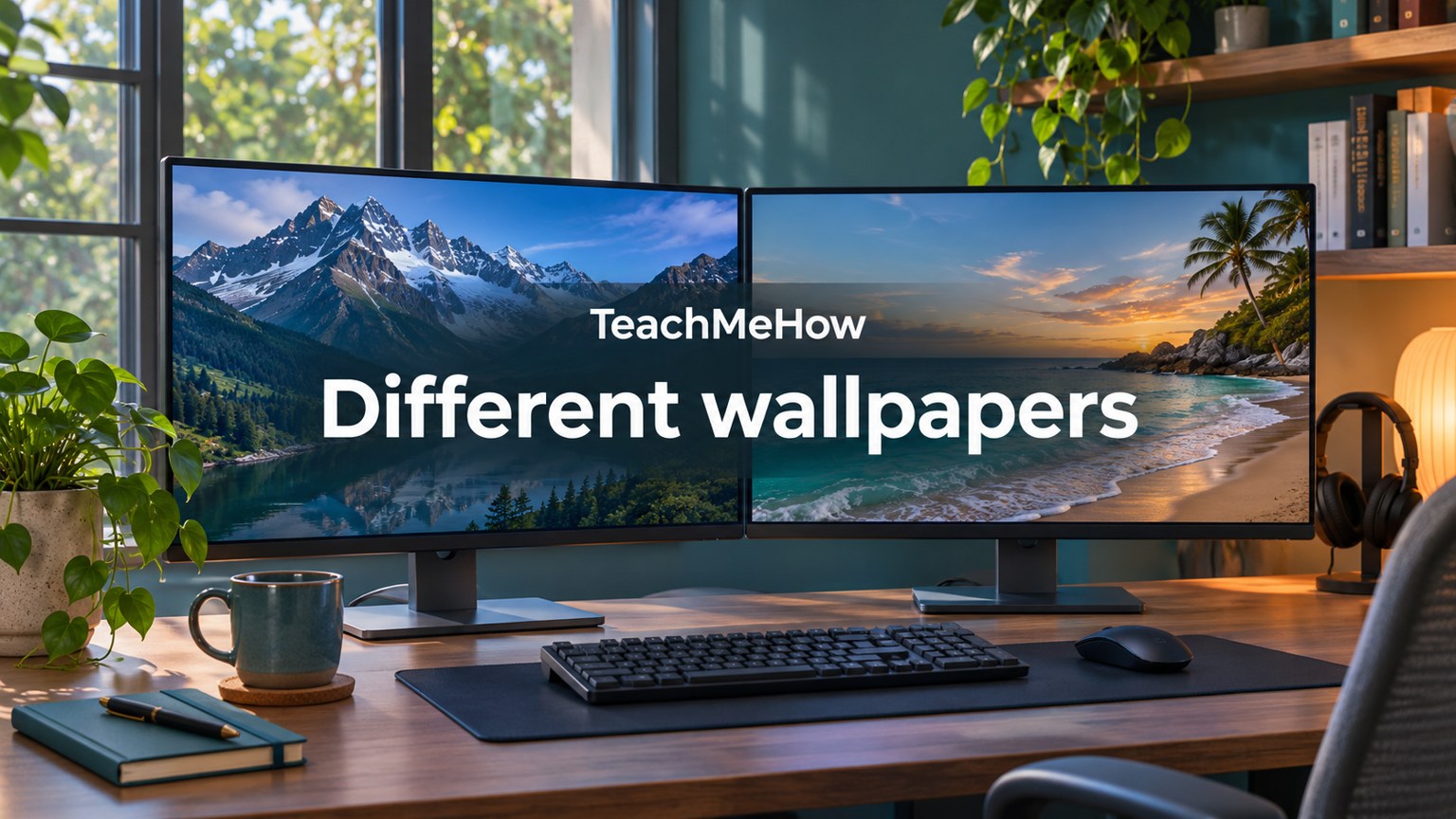
Assign a separate picture to each physical display, correct a swapped image, and recognize when virtual desktops change the available options.
Follow these steps at your own pace. Check product terms and prices directly with providers before purchasing.
Quick answerOpen Settings → Personalization → Background and select Picture. Add both images with Browse photos. Right-click a recent image thumbnail and assign it to the first monitor, then right-click the other thumbnail and assign it to the second.
Pick two pictures that fit your screens
Start with two local pictures you can easily tell apart, such as a blue landscape and a green forest. Use images you will keep in an accessible folder. If the two panels have different shapes, choose the image for each screen deliberately. A portrait image with the subject near the center works well beside a wider landscape photo.
Open Settings → System → Display and use Identify to find the number of each screen. A monitor on the right can be display 1. If both panels show one mirrored desktop and you need independent backgrounds, switch from Duplicate to Extend first. Record which number belongs to the laptop or the left-hand monitor.
Assign each thumbnail to a specific monitor
In Settings, open Personalization → Background. Set Personalize your background to Picture. Browse for the first file, then add the second the same way. The last file you choose may briefly become the background across your setup. Both choices should now be available as recent thumbnails in the Background settings.
Right-click the first thumbnail. Choose the command that assigns the picture to the desired monitor, such as Set for monitor 1. Right-click the second thumbnail and choose the other monitor. Opening a picture in Photos or simply clicking a thumbnail is different from selecting the monitor-specific command. Use the thumbnail’s context menu for each assignment.
Check the fit before you judge the photos
| Fit option | What to look for |
|---|---|
| Fill | The picture covers the display. Edges can be cropped when the shapes differ. |
| Fit | The whole picture stays visible. Spare space can appear on two sides. |
| Stretch | The image fills the area but can change proportions. |
| Span | One wide background stretches across the desktop arrangement. Choose a single-screen fit for separate pictures. |
Press Windows key + D to reveal the desktops and look at the actual result. Press the shortcut again to bring windows back. If a face is cut off at the top or a pet looks unusually wide, use a better-matched crop of the source picture or try a different fit. For a portrait panel, set the monitor orientation before deciding whether the photo needs cropping.
If the menu lists desktops instead of monitors
Windows distinguishes physical monitors from virtual desktops created in Task View. Microsoft documents a limitation on assigning different pictures per monitor when using multiple virtual desktops. Press Windows key + Tab to inspect your workspaces. If you rely on several virtual desktops, keep your setup and use per-desktop pictures or a shared background.
If those extra desktops are no longer needed, save your work and organize the windows before closing spare desktops in Task View. With one virtual desktop remaining, return to Background, choose Picture again and inspect the thumbnail menu. The Microsoft background settings guide covers both per-monitor pictures and virtual desktops.
Protect a subject near the edge
For a family portrait on a vertical display, make a separate portrait-shaped copy of the photo in your usual photo editor. Keep the original file intact, leave a little room above heads and choose the cropped copy for that monitor. This gives Windows a picture closer to the panel’s aspect ratio and makes the result less dependent on which fit option suits your other screen.
If the pictures are on opposite sides
Use Identify again, then repeat the two thumbnail assignments with the corrected numbers. Swapping pictures does not require swapping the monitor tiles. Only adjust the layout if the pointer also exits the wrong edge. If the part you want to change is where apps open by default, select your main display independently of the wallpaper.
Comments
Comments are reviewed before they become public.
Sign in with Google to leave a comment.
Sign in with GoogleNo approved comments yet. Be the first to start the discussion.