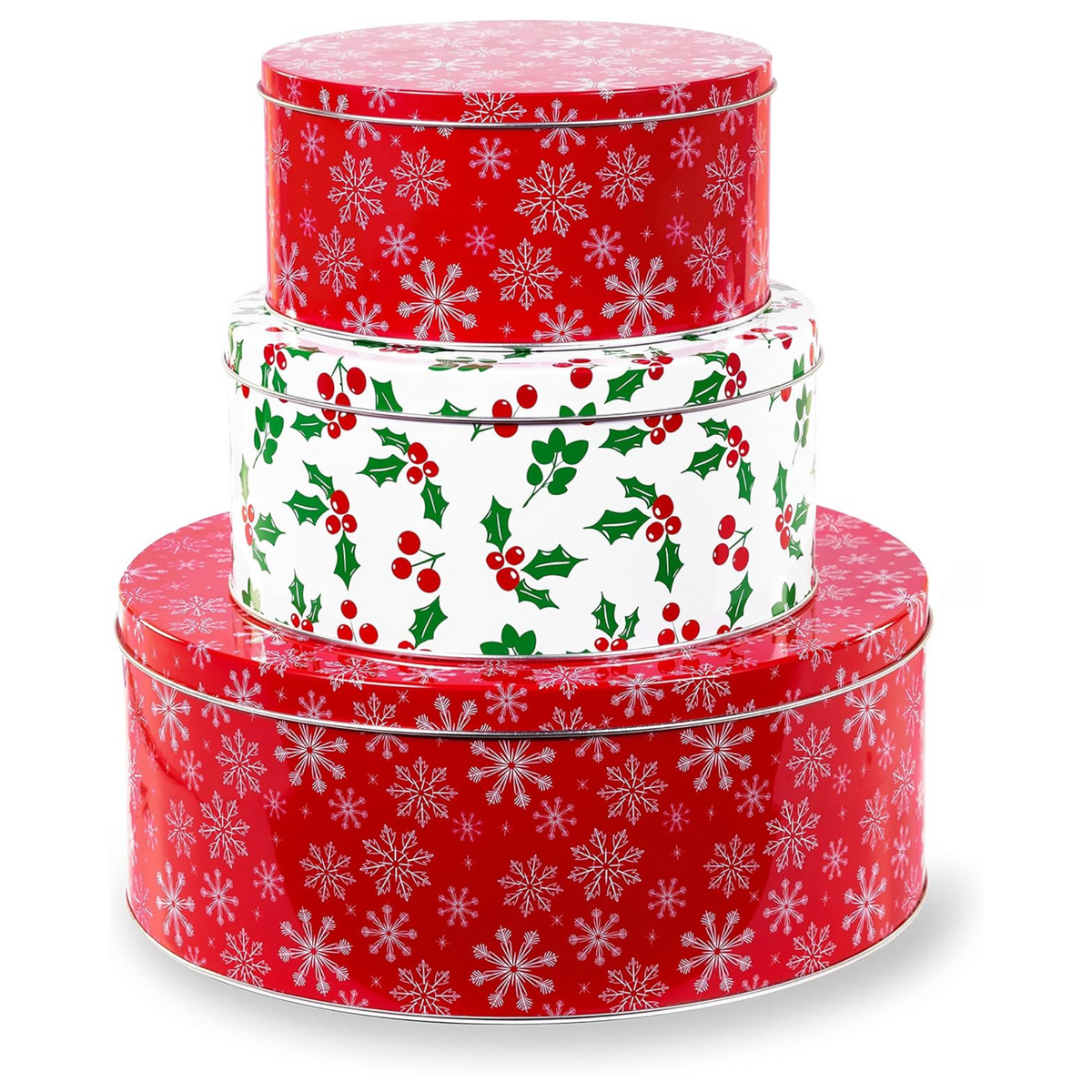
Steel Mill & Co. Round Cookie Tins, Snowflake and Holly (Set of 3)
Use a close-fitting tin as the rigid inner container. Cushion the closed tin inside a separate shipping carton.
Check current price
View on Amazon ↗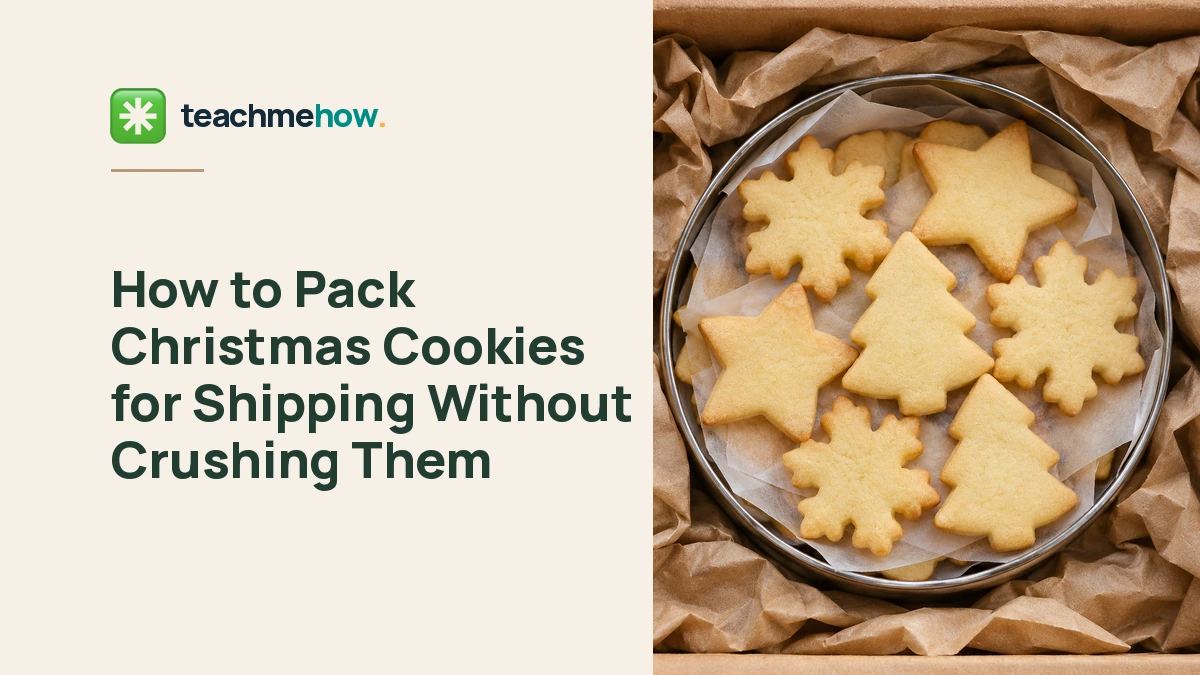
Pack Christmas cookies for mailing in food-safe wraps, a rigid tin and a cushioned shipping box. Choose sturdy cookies and test each layer before sealing.
Follow these steps at your own pace. Check product terms and prices directly with providers before purchasing.
A cookie can break twice on its way to someone. It can slide across a half-empty tin and collide with its neighbor, or the tin can strike the wall of the shipping box. Solving only one of those problems leaves a disappointing parcel. Before making a double batch, lay one finished cookie beside the tin and the outer box. That little rehearsal tells you whether to change the shape you bake, the number you promise or the size of the package.
Quick Answer
Choose sturdy cookies that are suitable for storage at room temperature. Cool them completely, separate varieties by texture and wrap them in food-safe packages. Arrange small, supported groups in a rigid inner tin so they cannot slide and its lid closes without pressure. Place the tin in a sturdy shipping carton, cushion it on every side, check for movement, and seal and label the outer box for the carrier.
For an ordinary domestic parcel, choose a recipe that keeps well at room temperature over the anticipated trip, including a possible delay. Simple shortbread rounds, sturdy drop cookies and firm biscotti are easier to support than very thin lace cookies or intricate shapes with narrow arms. A soft cookie can travel if it holds together, has a suitable shelf life and is packed separately. A shelf-stable ingredient list and the instructions for the finished recipe matter more than the cookie's name.
Leave refrigerated fillings, cream-based toppings and other perishable treats for a delivery with an appropriate cold chain. This guide covers shelf-stable cookies. Keep delicate cookies that depend on an upright tray for a local visit. If the recipient has a food allergy, check what they can accept before baking and supply accurate ingredient information. A mixed home-kitchen assortment is a poor surprise when cross-contact is a concern. FDA food-allergen labeling guidance
Set out food-safe bags or wrap, parchment or an appropriate food-contact liner, a clean rigid tin or food container with a sound lid, and a strong corrugated shipping carton. For the outer box have cushioning, parcel tape and an address label. Reserve pen, tape, shipping labels and recycled packing material for surfaces outside the food wrapping.
A decorative round tin can work well inside a box if the lid fits and the contents fit its sides. A rectangular food container can be easier for rows of bars. Try the lid on the empty container. It should sit evenly along the rim. If the lid springs up when the tin is empty, a strip of ribbon won't make it a dependable inner package. Compare shapes and lid styles in the Christmas cookie tin guide.
| Cookie type | Packing approach | When to change the plan |
|---|---|---|
| Plain shortbread rounds or sturdy drop cookies | Make small groups of similarly sized cookies and support them along the edges. | Thin or over-browned edges crumble when the group is handled. |
| Firm bar cookies | Cut even pieces and wrap portions so cut faces do not stick together. | Very soft or perishable toppings need another delivery method. |
| Sturdy undecorated or fully set cutouts | Choose compact shapes and separate the faces with a food-safe liner. | Long antlers, narrow points or raised sugar details are easily snapped. |
| Crisp and chewy varieties in one gift | Use separate sealed food packages for each texture. | A shared package transfers moisture and flavor during the trip. |
Make one extra cookie from each batch for a handling test. Pick it up normally, turn it over and rest it on the surface that would support it in the tin. If the frosting marks the liner or a narrow section breaks under ordinary handling, choose a simpler version for shipping. Flower-shaped Christmas butter spritz cookies need gentler handling than thick rounds. Send compact shapes and reserve fragile branched ones for your own platter.
Leave cookies on racks until the centers as well as the edges have cooled. Do not pack warm cookies into a sealed container. Trapped moisture can soften their surface, and a still-soft cookie may set into the shape of its neighbor. Where a room-temperature icing is suitable for the trip, let it set completely and test a spare against a small piece of the intended liner.
Sort by similar diameter, thickness and texture. Two same-size flat cookies can be paired back to back or in a short supported stack, depending on their shape. Wrapping several small groups is usually easier to manage than one tall stack that can lean. Keep a heavy bar from sitting directly on a thin cutout. For cookies with shallow decorations, place the weight on their stronger edges where possible, or use a single protected layer.
Close the food package without compressing the cookies. Flatten excess bag material alongside the group rather than bunching it into a hard knot beneath the next layer. A thin sheet of parchment separates surfaces but offers limited cushioning against movement. Food-safe wrapping handles contact and moisture. The rigid tin and outer packing provide structural support. King Arthur Baking's test shipment
Set the largest, strongest packages in the most stable positions. Fit smaller groups beside them. A little space around a curved tin can be taken up by a folded piece of clean food-safe paper beside the sealed inner packages. Keep decorative shred and ordinary packing material away from unwrapped food. Any material put into the tin should be clean, suitable for its intended use and easy to distinguish from the food.
Place the lid gently on the rim. It should close in the same way it did when the tin was empty. A domed lid may have less usable height near its edge than at its center. If the last layer presses against the lid, take a few cookies out. Padding piled on top of an overfull tin transfers pressure to the cookies below.
Support the closed tin with both hands and tilt it gently in different directions over the counter. Listen for a slide or tap. Open it to see which group shifted. Add light food-safe support at that edge or repack into a smaller container. A vigorous shake tests how well cookies break, not how well you packed them.
Choose a carton in good condition with enough room for effective cushioning on the bottom, both ends, both sides and top. Make a base layer, center the closed tin and fill the gaps around it evenly. Add the top layer before bringing the flaps together. The closed lid of the tin should not be the support under the carton flaps.
For example, a round tin roughly 7 inches across and 3 inches high might be tried in a carton measuring 11 by 11 by 7 inches inside. A centered tin then has about 2 inches of room in each direction for cushioning. This is an example of the fit calculation, not a universal carrier rule. Corners of a square carton leave wider pockets around a round tin. Fill those pockets so the tin cannot be pushed diagonally into one corner.
Use resilient cushioning suited to the weight of the filled container. A few sheets of flat paper under a heavy tin may compress until the tin is nearly on the carton floor. If using packing paper, make shapes that keep their volume and support the whole tin. The aim is to keep it suspended inside the carton when the parcel changes orientation. USPS holiday packing guidance
Close the flaps temporarily and gently turn the carton from side to side while supporting it. A heavy sliding sound usually means the tin is moving in the outer carton. A lighter rattle inside a stable tin calls for another look at the cookie groups. Reopen the layer responsible before sealing the parcel. If the flaps bow outward, reduce the contents or use a deeper carton.
Seal the carton with suitable packing tape and use the carrier's current addressing and labeling instructions. Remove old labels and barcodes from a reused box. Put the delivery and return addresses where they can be read clearly. Keep decorative string, loose bows and glossy gift paper off the outside of the shipping carton. If presentation matters, put the note or a neat paper band inside. For a locally delivered tin where an outer carton is unnecessary, see how to wrap a round cookie tin with pleated ends.
Check current carrier schedules for the route and confirm the recipient will be available. Let them know what has been packed and when it is expected. A pretty tin does little good if the parcel spends the whole holiday weekend outside the recipient's apartment door.
Pack for ordinary handling in different orientations. A label does not support the cookies. A parcel that depends on remaining level needs a redesigned package or a different delivery method.
Yes, if each tin is packed correctly inside and the outer package supports their combined weight. Separate the tins with a stable layer of cushioning, isolate them from the carton walls and check that neither can strike the other. If fitting the second tin removes the side or top cushioning, use a larger carton or send separate parcels.
A successful cookie parcel has a quiet inner tin and a quiet outer box. Test them separately before attaching the shipping label. If you have to press the lid or hear something slide, fixing the fit protects the hours already spent baking.
As an Amazon Associate, TeachMeHow earns from qualifying purchases.
Use a close-fitting tin as the rigid inner container. Cushion the closed tin inside a separate shipping carton.
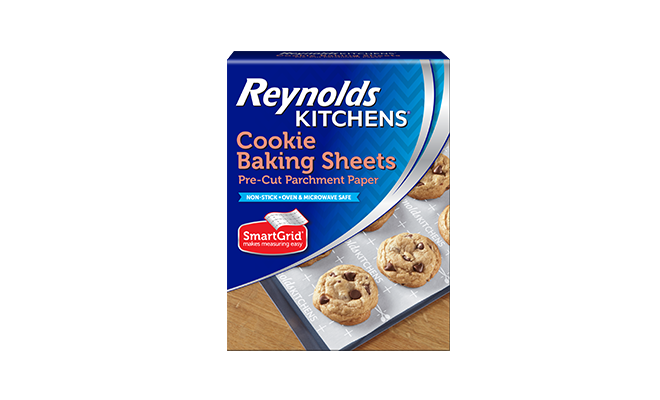
Trim the food-contact parchment to fit the tin and separate layers of cooled cookies. Add separate outer cushioning for transit.
Prices may change. Check the retailer for the current price and availability. We may earn a commission from qualifying purchases at no additional cost to you. Learn more.
Comments
Read or join the discussion.