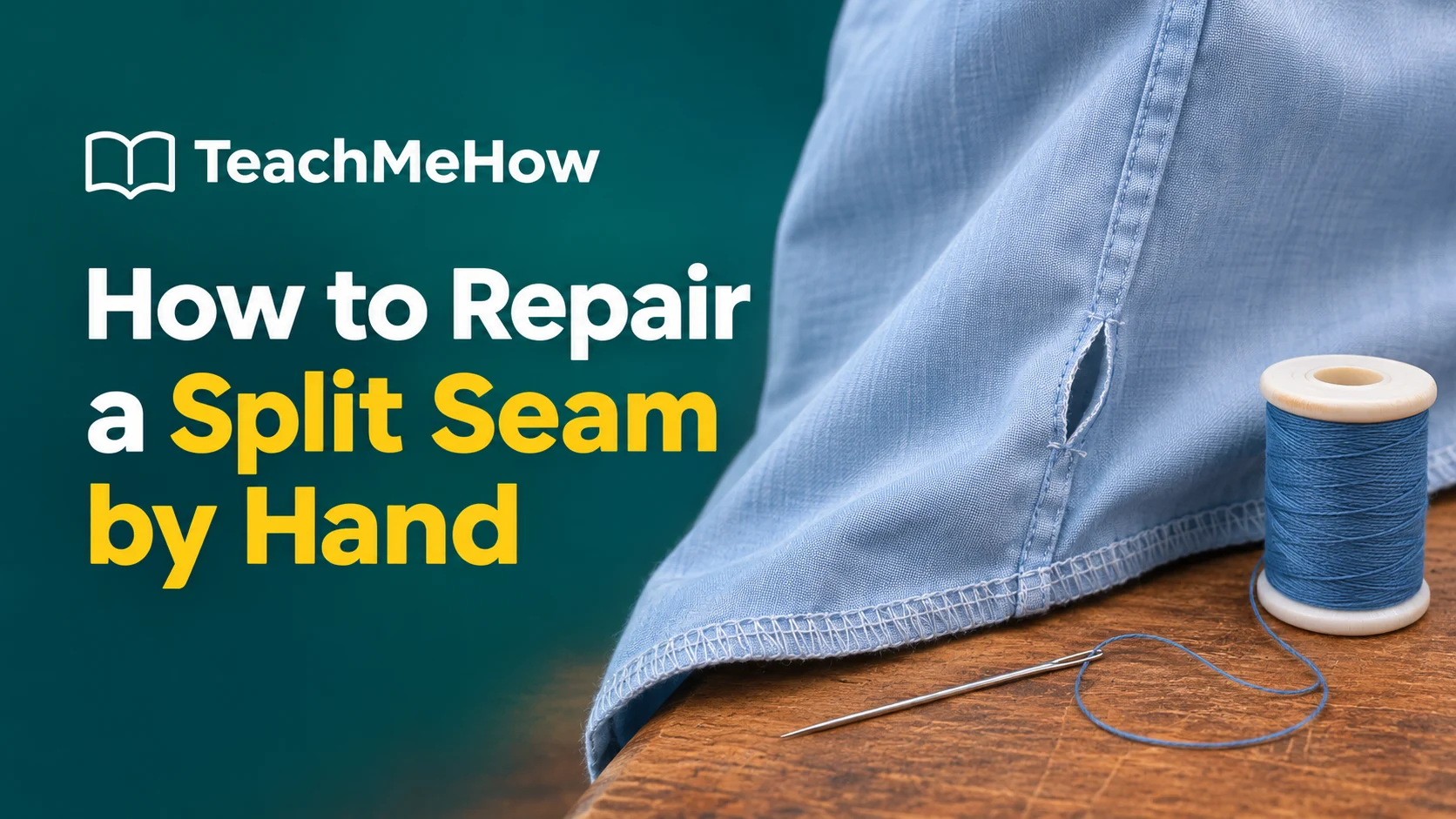
When the stitches give way but the cloth is sound, you can close a shirt or pillowcase seam by hand. Follow the old stitch line and check the repair from both sides.
Quick Answer
Turn the item inside out. If only the thread has broken, put the fabric faces together and backstitch along the old needle holes. Start and finish in the intact stitching on either side of the opening so the repair holds when the seam is pulled.
What you need
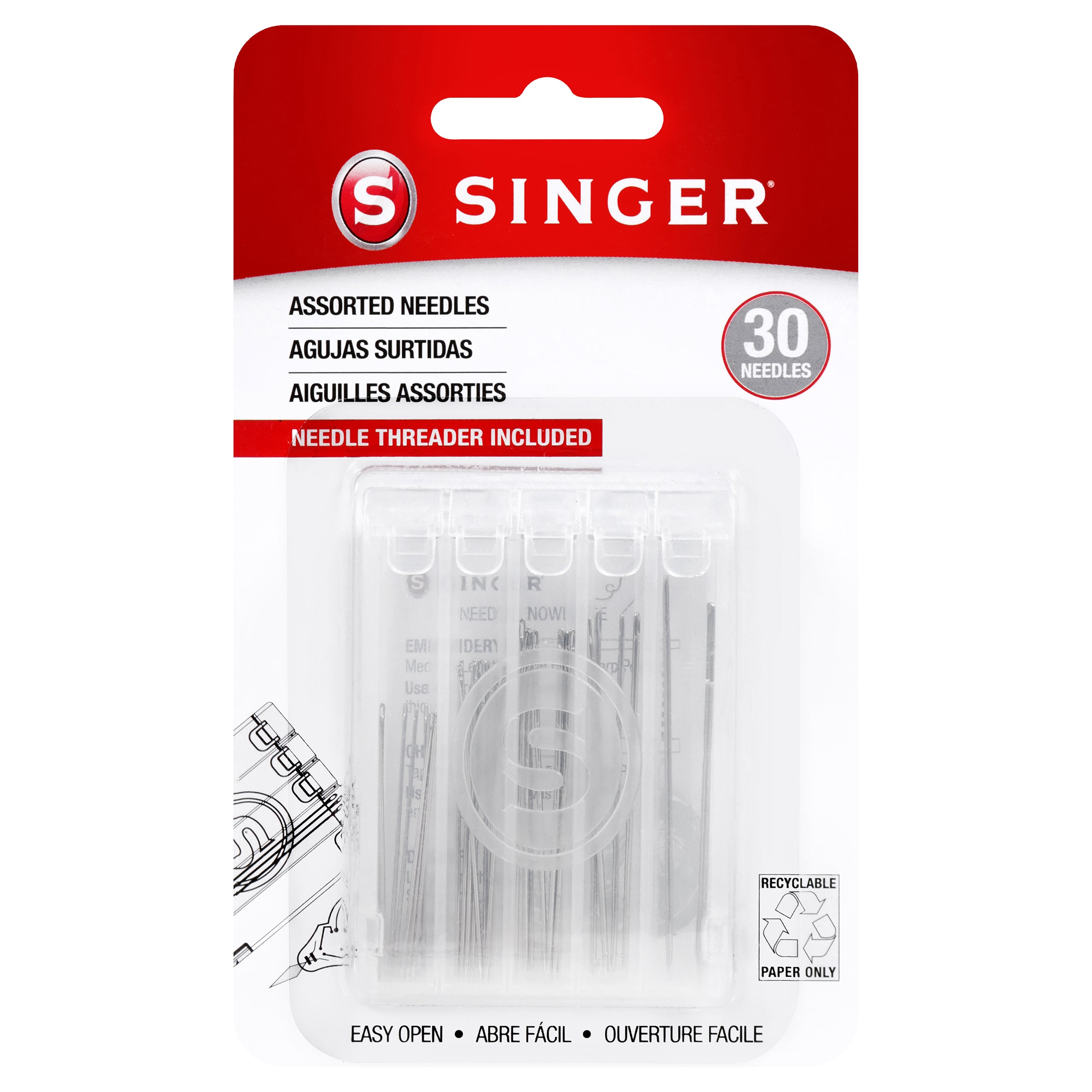
- A fine, sharp hand-sewing needle, matching all-purpose thread, and small scissors. A couple of pins or sewing clips help if the edges slide.
- A well-lit table and an unlined woven item, such as a cotton shirt or pillowcase. A stretchy knit, a torn zipper seam, or cloth that has worn into holes needs a different repair.
1. Find the original seam
Turn the piece inside out and gently open the gap. Look for two rows of old needle holes, one in each layer. Run a fingertip along both edges. If either edge crumbles or the holes join into a tear, fresh stitches along that line will pull out. Stop and plan a patch or reinforce the damaged fabric first.
2. Line up the layers
Bring the outer faces of the fabric together. Match the two ends of the opening and line up the old holes. Clip the layers a little away from the stitch line so you can see it. Cut about 18 inches of thread, pass one end through the eye, leave a short tail, and knot the long end. Work with the garment off your body.
3. Sew a backstitch
Begin about half an inch before the gap, in sound stitching. Bring the needle up through both layers. Insert it one short stitch behind that point, then bring it out one short stitch ahead of the starting point. Go back into the hole where the previous stitch ended and emerge the same distance ahead. Repeat along the old seam, using stitches about 2–3 mm long. Pull each one just snug enough for the fabric to lie flat.
4. Lock the end and check the outside
Continue about half an inch past the gap. Take a tiny stitch in the seam allowance, pass the needle through the loop before pulling it tight, and repeat. Trim the thread tail clear of the knot. Count and remove the pins. Turn the item right side out and gently spread the fabric across the seam.
If the result looks uneven
| What you see | What to change |
|---|
| A little pleat | Undo the last few stitches, smooth both layers, and restitch with less tension. |
| A gap at one end | Extend the repair into sound stitching. A knot in loose original thread cannot support that end. |
| A line of thread shows outside | Look inside for stitches that drifted away from the original holes. Redo that section on the old line. |
Bottom Line
The repair is finished when the seam lies flat, stays closed under a gentle tug, and meets the old seam smoothly at both ends. Put the needle back in its case before clearing the table.

Comments
Comments are reviewed before they become public.
Sign in with Google to leave a comment.
Sign in with GoogleNo approved comments yet. Be the first to start the discussion.