Pack a letter-size file wallet for a two-office trip, track what leaves the drawer, and reconcile signed or missing documents on return.
Quick answerUse a closing file wallet as the carrier and a labeled inner folder for each job or stop. Make a short departure list, leave a marker wherever an original leaves its filing slot, and reconcile the list before refiling at the end of the trip. The wallet is transport for the day; the home drawer remains the record’s address.
Choose the carrier from the actual trip
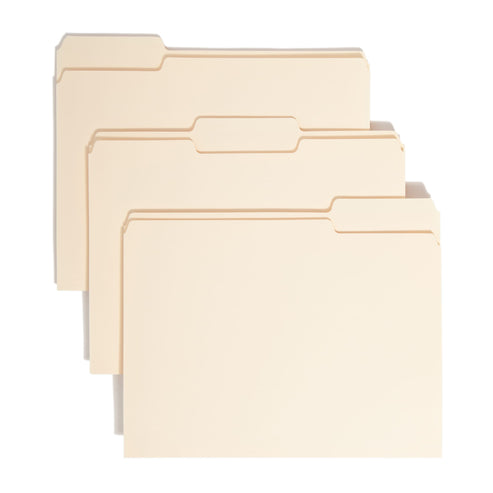
Lay out the full packets you must carry, including envelopes that will be returned signed. Compare their largest dimensions with the usable opening inside the wallet. Letter-size paper measures 8½ by 11 inches, but an inner folder has a raised tab and an envelope may be longer. Try the actual contents at both the front and the back of the wallet. A tab caught under a tight flap can crease before a single trip is complete.
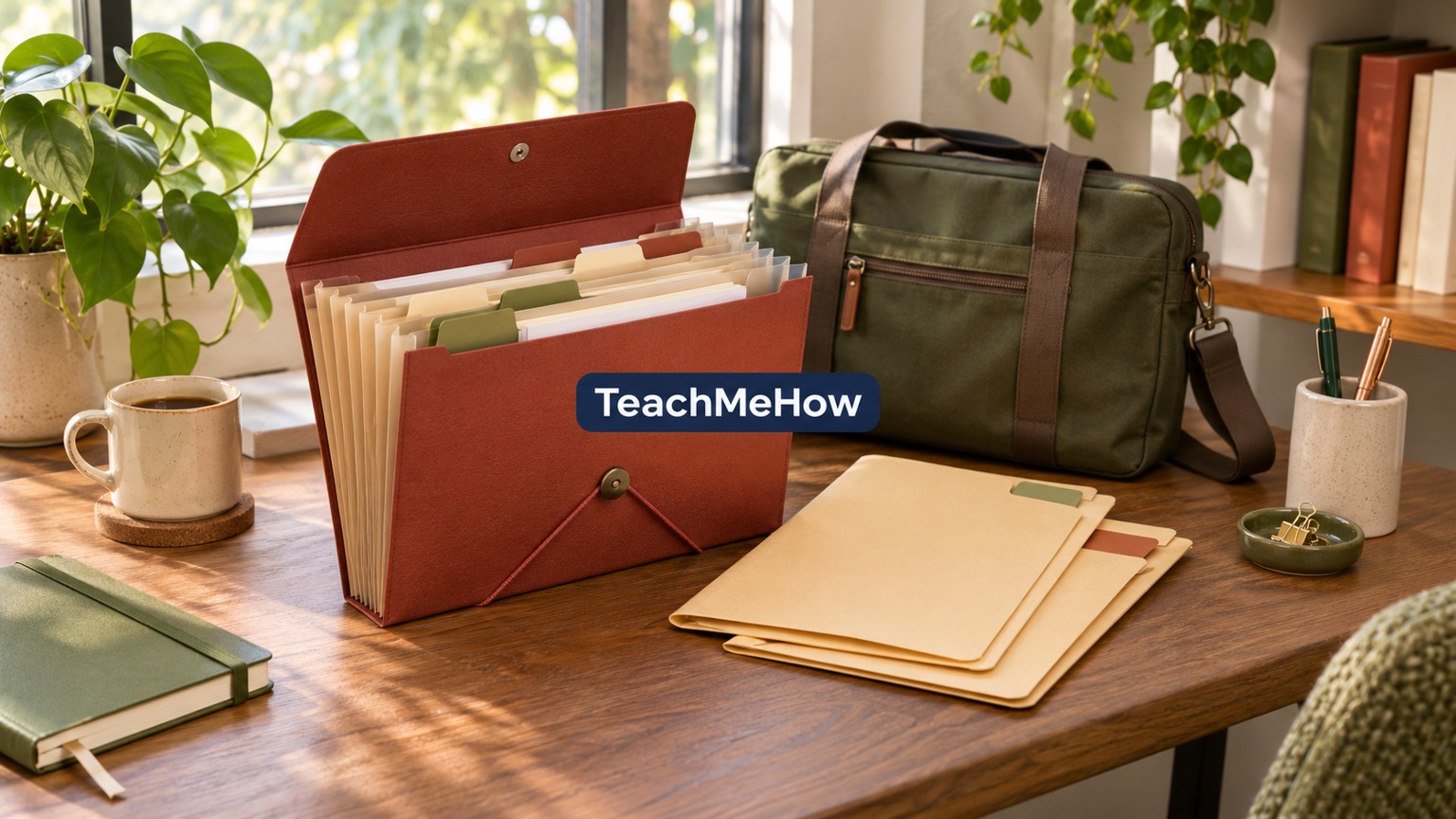
The Smead 77243 has a flap, elastic closure and nominal two-inch expansion. It can group letter-size packets that would slide around loose in a bag. A flap-and-cord wallet is not a lock or a weatherproof case. Use your office’s approved carrier and handling rules for sensitive originals or restricted records. If you only need to review information at the other location, consider taking an authorized working copy and leaving the original filed.
1. Make a short manifest before packing
Record a trip date, destination, file ID, what leaves, and what you expect back. “241 / one approved color proof out / same proof back” distinguishes a returnable original from a copy that the customer keeps. For a multi-page set that must come back complete, note a page count or a named enclosure. Leave the detailed manifest inside the carrier or in an approved log.
2. Build one packet per stop
Label the inner folders with short IDs and useful job names. Put the first stop toward the opening. If both stops involve the same client, give each packet its own purpose, such as “241 / Signature” and “252 / Sample review.” Separate returned papers from unprocessed papers using a clearly marked return folder. Do not release an original just because a second packet has a similar cover page.
3. Mark the home location and close the wallet
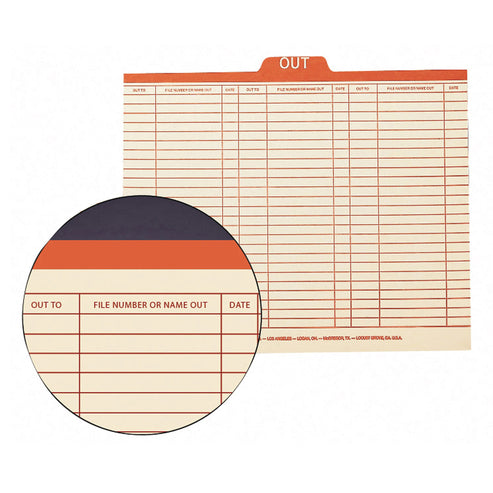
Leave a checkout guide in the original filing slot for folders taken from a shared drawer. Record the current holder and anticipated return. Stand the packets upright, close the flap and engage the cord without forcing it. If the flap bows or an enclosure sticks out, reduce the load or choose a properly sized carrier. Keep the wallet under the custody required by your office while moving between locations.
4. Reconcile at the handoff and on return
Open only the packet for that stop. Mark items left behind, signed papers received, and the name or role of the receiving person when your process calls for it. On return, match the contents against the expected-return list before putting anything in a drawer. Keep missing items on the list with an owner and a follow-up date.
A two-office trip in practice
| File leaving the office | What changes during the trip |
|---|
| Job 241, proof for signature | The customer keeps a copy. The signed original goes into the return folder, and the manifest shows it came back. |
| Job 252, samples for review | Two samples go out. One stays with the reviewer, so record which one, where it is, and when to follow up. |
| New invoice handed to you at stop two | Mark the job ID on a routing slip and add the new item to the manifest before packing it away. |
Back at the office, put the signed original in its working project folder. Clear its checkout marker only after matching the ID. For the retained sample, keep a pointer in the home file and set a dated reminder if the reviewer promised it next week. The travel wallet can now be emptied even though one item is still outstanding.
What to change after the first trip
If you found loose sheets at the bottom, inspect the inner folders for torn edges and check whether any envelope was too short. If you arrived with the wrong version, mark the working copy and compare the revision date at departure. If the wallet stayed full for days after the trip, give it a landing spot beside the refiling area and make reconciliation part of returning the keys or closing the day. These changes target the point where the paper actually went astray.

Comments
Comments are reviewed before they become public.
Sign in with Google to leave a comment.
Sign in with GoogleNo approved comments yet. Be the first to start the discussion.